Source Caulk Gun for Construction, DIY, and Industrial Sealing
Compare 30 caulk gun options from verified Chinese suppliers. Buyers can evaluate models like S-01 and GMCG series, materials including metal and plastic, and customization features for construction, DIY, and industrial sealing tasks; compare the available evidence and request quotations based on your requirements.
Key considerations
Products List




Comprehensive Sourcing Guide
Caulk Gun Sourcing Guide
The global market for caulking tools presents a diverse array of manual cartridge guns designed for heavy-duty and general sealing applications. Buyers observe a wide spectrum of product models, ranging from specific series like S-01 and S-11 to specialized variants such as the GMCG-0149 and GF15. These tools are primarily constructed from durable materials, with metal and iron handles being common, while some units feature aluminum alloy handles for enhanced ergonomics. The observed product types include standard cartridge guns and heavy-duty variants, indicating that procurement strategies must account for varying operational intensities and user requirements.
Sourcing decisions are heavily influenced by the availability of customization options and specific material compositions. While some listings indicate that products are fully customized, others specify non-customized standard configurations, requiring buyers to clarify their exact needs before engaging suppliers. The observed price range spans from 0.7 to 18 USD, reflecting significant variation in build quality and feature sets. Additionally, the presence of different handle materials, such as iron versus aluminum alloy, suggests that buyers must evaluate the trade-off between cost and durability when selecting the appropriate tool for their specific construction or manufacturing environment.
Product Scope and Observed Listing Signals
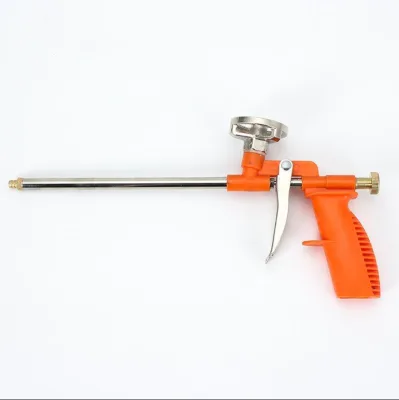
Buyers must carefully distinguish between the various model numbers and specifications listed in current market offerings to ensure alignment with project requirements. The catalog includes distinct identifiers such as S-12, S-14, S-20, and S-15, alongside foam gun variants available in orange, silver, and black finishes. These specific model numbers often correlate with different mechanical strengths or ergonomic designs, necessitating a detailed review of the product description to confirm the tool's suitability for the intended application. The presence of multiple model numbers suggests a fragmented market where precise specification matching is critical for operational efficiency.
Packaging and origin details provide essential context for logistics planning and supply chain reliability. Products originate from key manufacturing hubs including Linyi, Guangdong, and Ningbo in Zhejiang, with some listings specifying a general origin of China. Packaging standards vary from single box packing to complex configurations like 1 PCS per polybag and inner box, with 20 pieces per carton. These variations directly impact shipping costs and storage requirements, making it imperative for procurement teams to verify the exact packing specifications before finalizing orders to avoid unexpected logistical expenses or handling difficulties.
Technical Specifications to Verify
Technical verification begins with confirming the power source and mechanical design of the caulking gun. All observed listings consistently identify the power source as manual, indicating that these tools rely on user force rather than battery or pneumatic systems. This manual operation is typical for cartridge guns used in construction and sealing tasks, but buyers should verify the specific trigger mechanism and leverage ratio to ensure the tool can handle the viscosity of the intended sealant. The distinction between standard and heavy-duty types further underscores the need to match the tool's mechanical capacity with the physical demands of the job.
Material composition and standard dimensions are critical factors that determine the longevity and performance of the caulking gun. The primary materials observed include metal, iron, and aluminum alloy, with some units featuring zinc or chrome-plated poles for corrosion resistance. Standards such as 9" and SGS are referenced in product descriptions, though buyers should treat these as observations rather than universal guarantees. It is essential to confirm that the handle material and structural components meet the specific durability requirements of the application, especially when working in harsh environments where corrosion or wear could compromise the tool's integrity.
Compliance and Safety Documentation
Compliance verification requires a thorough review of the certifications and standards claimed by suppliers. The market data indicates that some products carry ISO, GS, and CE certifications, which are vital for ensuring safety and quality in international markets. However, buyers must not assume that every listed product possesses these credentials without explicit verification. The presence of SGS standards in some listings suggests a focus on quality assurance, yet the absence of specific certification details in other entries necessitates a proactive request for documentation to mitigate compliance risks and ensure adherence to local safety regulations.
Safety and operational standards are further complicated by the varying nature of product specifications and origin locations. While some listings mention specific standards like GF15, others provide generic descriptions such as "all sizes are available." This inconsistency highlights the importance of requesting detailed technical data sheets that confirm the tool's compliance with relevant safety norms. Buyers should prioritize suppliers who can provide clear evidence of certification status, as this documentation is often required for regulatory approval and insurance purposes in professional construction and industrial settings.
Cost Drivers and Commercial Terms
Cost structures for caulking guns are influenced by a complex interplay of material costs, customization levels, and order volumes. The observed price range of 0.7 to 18 USD reflects significant variation based on the quality of materials like aluminum alloy versus iron, as well as the degree of customization offered. Buyers must analyze whether the lower price points correspond to standard, non-customized models or if they represent entry-level heavy-duty tools. Understanding these cost drivers is essential for budgeting and ensuring that the selected product offers the best value without compromising on necessary performance characteristics.
Commercial terms, including minimum order quantities and delivery timelines, play a pivotal role in procurement planning. The observed MOQ ranges from 6 to 3000 units, with some specific listings indicating an MOQ of 5000 pieces. Delivery times are noted to be between 30 and 45 days, which can impact project schedules and inventory management. Buyers need to negotiate these terms carefully, balancing the need for bulk discounts against the flexibility required for smaller, urgent orders. Clear communication regarding these commercial conditions is necessary to avoid delays and ensure that the supply chain remains responsive to changing project demands.
Supplier Qualification and Quality Control
Supplier qualification hinges on the ability to provide consistent product quality and reliable customization services. The market data shows a mix of suppliers offering both customized and non-customized options, with some explicitly stating that more details are available upon contact. This variability suggests that buyers must conduct rigorous due diligence to assess a supplier's capacity to meet specific technical requirements. Verifying the supplier's track record in delivering products that match the observed specifications, such as the correct handle material and model number, is crucial for maintaining quality standards.
Quality control processes should be established to ensure that the delivered caulking guns meet the agreed-upon standards. Buyers should request evidence of quality assurance measures, such as inspection reports or adherence to the mentioned ISO and CE certifications. The presence of standard export packing and specific inner box configurations indicates a level of professionalism, but buyers must verify that these packaging standards are consistently applied to prevent damage during transit. Establishing a clear quality control protocol with the supplier is essential to minimize defects and ensure that every unit received performs reliably in the field.
Long-Term Procurement Checks
Long-term procurement success depends on maintaining a robust relationship with suppliers who can adapt to evolving market needs. The observed diversity in product models and specifications suggests that the market is dynamic, with new variants like the GMCG-0892 and GMCG-6357 emerging regularly. Buyers should establish a mechanism for continuous communication to stay informed about new product developments and potential improvements in material quality or design. This proactive approach ensures that the procurement strategy remains aligned with the latest industry trends and technological advancements.
Sustainability and supply chain resilience are critical considerations for long-term planning. Buyers should evaluate the supplier's ability to maintain consistent production levels and adhere to environmental standards, especially given the varying origins of the products from different regions in China. Monitoring the supplier's performance over time, including their ability to meet delivery times and maintain quality, is essential for building a reliable supply chain. By focusing on these long-term factors, buyers can secure a stable source of high-quality caulking guns that support their operational goals and minimize supply chain disruptions.
FAQs
What materials are used for caulk gun handles?
Caulk gun handles are typically constructed from metal, iron, or aluminium alloy to ensure durability and strength during heavy-duty applications. These robust materials provide a secure grip and long-lasting performance for professional users who require reliable tools for various sealing and gluing tasks.
Can I customize the color of the caulk gun?
Yes, customization is available for many models, with all colors available to meet specific branding or preference requirements. Buyers can request customized or non-customized options depending on the manufacturer's capabilities, allowing for tailored aesthetic choices while maintaining the functional integrity of the tool.
What certifications do these caulk guns hold?
Many caulk guns hold ISO, GS, and CE certifications, ensuring they meet international safety and quality standards. These certifications verify that the products comply with rigorous manufacturing protocols, providing buyers with confidence in the reliability and safety of the tools for commercial and industrial use.
What is the typical lead time for delivery?
The typical delivery time ranges from 30 to 45 days, depending on order volume and specific model requirements. This timeframe allows manufacturers to process orders efficiently while maintaining quality control, ensuring that buyers receive their caulk guns in a timely manner for their operational needs.
How are the caulk guns packed for export?
Caulk guns are packed using standard export packaging, often featuring single box packing or polybag and inner box configurations. This ensures safe transit and protection against damage, with carton quantities varying by model to optimize shipping efficiency and reduce costs for international buyers sourcing these tools.
What is the minimum order quantity for these guns?
The minimum order quantity varies, with observed ranges starting from 6 units up to 3000 units depending on the supplier. Some manufacturers may require higher MOQs, such as 5000 pieces, for specific models, so buyers should verify requirements directly to align with their procurement volume.